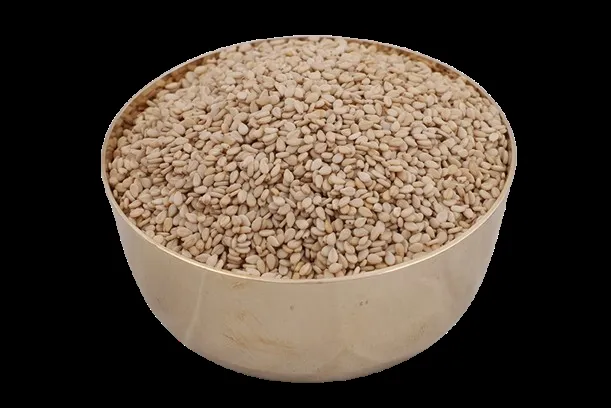
For food manufacturers, wholesalers, and importers, ingredient quality has a direct effect on finished-product consistency. Working with a natural sesame seeds exporter is not simply a matter of comparing quotations. Buyers need to understand how the seeds are cleaned, graded, packed, and checked before shipment. The same applies to other whole spices used in commercial production. A careful sourcing process can reduce unwanted variation, make incoming inspections easier, and help businesses build more dependable long-term supplier relationships.
Start With the Final Application
The right specification depends on how the ingredient will be used. Natural sesame seeds may be purchased for bakery toppings, tahini, confectionery, snack coatings, spice mixes, or oil extraction. Each application can place a different emphasis on colour, flavour, seed condition, purity, or moisture.
A bakery may care strongly about appearance because the seeds remain visible on the finished product. A processor making paste may be more interested in roasting behaviour, aroma, and consistency after grinding. Defining these expectations before asking for samples helps buyers compare suppliers on factors that actually matter in production.
Use Measurable Standards
Descriptions such as “premium quality” or “export grade” can sound reassuring, but they are not precise enough for commercial procurement. A written specification creates a clearer basis for approval.
For natural sesame seeds, useful checks can include overall appearance, purity, moisture, foreign matter, broken or damaged seeds, and the condition of the packaging. The exact limits should reflect the buyer’s application, internal quality system, and destination-market requirements.
This approach also makes supplier discussions more efficient. Instead of asking whether a product is simply “good quality,” the buyer can compare samples and shipments against the same measurable expectations each time.
Test Samples Properly
A sample should do more than look attractive in a clear bag. Buyers get more useful information when the ingredient is tested in the same way it will be used commercially.
Sesame can be roasted, baked, ground, or blended depending on the product. These processes can reveal differences in aroma, texture, colour, and performance that may not be obvious during visual inspection.
Production-style testing is especially valuable for repeat-use ingredients. Keeping an approved sample or recording the characteristics of an accepted batch gives quality teams something practical to compare against when future deliveries arrive.
Different Spices Need Different Checks
Using one quality checklist for every agricultural ingredient can lead to poor purchasing decisions. Each spice has its own physical and sensory characteristics.
When evaluating a coriander seeds supplier, for example, buyers may pay closer attention to aroma, seed colour, cleanliness, and how the spice performs after roasting or grinding. Coriander seeds are widely used in spice blends, pickles, soups, bakery products, sauces, and other processed foods, so the required grade can depend heavily on the final recipe.
A buyer purchasing whole coriander for retail packing may value uniform appearance, while a seasoning manufacturer may focus more strongly on aroma and flavour after milling. Matching the specification to the end use keeps the purchasing decision practical rather than generic.
Packaging Matters
A good ingredient can lose quality if it is poorly protected during transport or storage. Bulk packaging should help limit exposure to moisture, contamination, and strong surrounding odours.
Before shipment, buyers should confirm pack size, bag type, liners where necessary, labelling, and batch identification. These details become even more important for international orders that may spend longer in transit or pass through several warehouses.
Clear batch labels also support traceability and make it easier to connect incoming inspection results with a specific shipment. Storage areas should remain clean, dry, and suitable for food ingredients after delivery.
Look Beyond the First Delivery
The first order shows whether a supplier can meet expectations once. Repeat orders reveal whether the supply process is genuinely reliable.
Procurement teams should keep records of incoming quality, production feedback, and any differences found between batches. Natural agricultural products will always show some variation, but commercial buyers still need deliveries to remain within agreed limits.
Communication matters as well. Suppliers should be able to discuss changes in availability, grade, packaging, or lead time clearly enough for the buyer to plan around them. Consistency across several orders is often more valuable than a slightly lower price on one shipment.
Conclusion
Successful bulk sourcing depends on more than price and appearance. Buyers should define the final application, create measurable specifications, test samples under realistic conditions, review packaging, and track consistency across repeat orders. Natural sesame and coriander seeds serve different purposes, but both benefit from the same disciplined purchasing approach. When quality expectations are clear from the beginning, food businesses can reduce avoidable problems and create a more stable ingredient supply chain.